
Making Sense of AI x Bio
A guide to using this newsletter to learn about cutting-edge AI in bio & drug discovery

In 2023, I left Google after a decade of starting and leading AI teams around the world (US, the Middle East, Japan) to be an exec at an RNA therapeutics company. Large Language Models (LLMs) were continuing to ascend in the tech world, and I left one of the AI powerhouses right at a time when many people were trying to get in.
My reasons were as follows:
LLM technology, while cool when applied to natural language and chatbots, could have an even greater transformational technology if successfully applied to biology and drug discovery
Unsolved problems in tech bio are at the intersection of a) technically interesting, b) societally impactful, c) partially solvable by someone with my skill set.
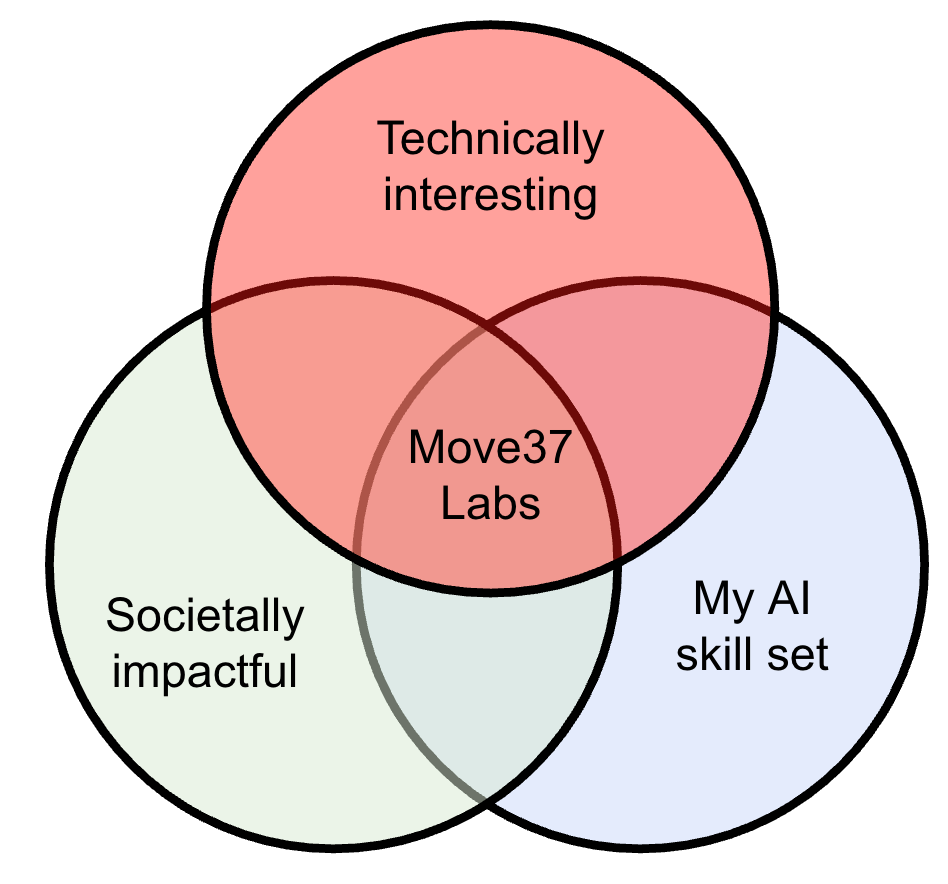
Solving problems in techbio and drug discovery companies requires more disciplines to collaborate than in traditional tech companies. This leads to unique interpersonal and organizational problems, which I enjoy solving.
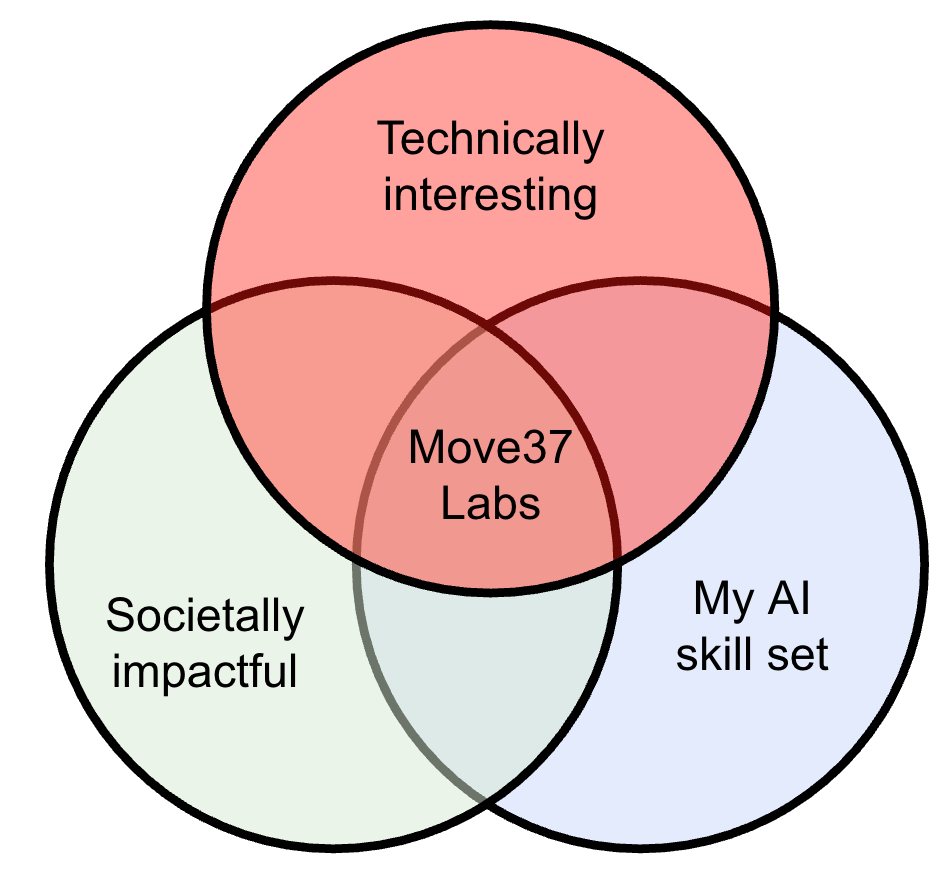
In January 2025, I started a tech bio consulting company called Move37 Labs. In just under 9 months, I’ve worked with a surprising number of innovative companies and published a number of papers (including a state-of-the-art nucleic acid design tool, in collaboration with Google and MIT). The enthusiasm for Move37’s expertise has further convinced me of how important (and potentially tricky to navigate) the interface between bio & AI is.
The sentiment that I hear most often from industry partners is “We know we want this AI thing, but what exactly can it do?” The fast-moving world of tech bio is confusing. This newsletter is meant to demystify the AI part of AI x Bio.
What to expect from this newsletter
Writing a technical newsletter can be hard. Though I won’t always strike the perfect balance of technically informative and entertaining (like Scott Alexander of Astral Codex Ten, one of my favorite writers in this genre), I can promise readers the following:
Balance of accessible content and technical insight: Some posts will be written for AI researchers new to biology, some for drug discovery industry insiders interest
AI assisted writing, never AI generated: The rising popularity of chatbots has led to an increasing amount of AI slop. I will use LLMs to help with research and the writing process, but the words and ideas in this newsletter will always be my own.
Bibliographies when appropriate: A well-written technical newsletter will make you want to learn more. I will endeavor to provide a bibliography of additional reading as optional side-quests for those of you wanting to dig deeper.
An open invitation for a conversation: The field of tech bio is rapidly evolving. I invite anyone with questions, disagreements, or thoughts to contact me at info@move37labs.ai.
Upcoming pieces
One upcoming piece will be on an ICML GenBio workshop research publication that was done by Move37 Labs, in collaboration with Google and MIT (paper, Google AI research blog post).
Following that, I will post a multi-part series called “The Anatomy of a Genomic Language Model,” which will answer the question “Why can’t natural language LLMs be applied directly to genomics?” It will explore why LLMs for natural language can't be applied directly to genomics by breaking down the key differences in tokenization (Part 1), data augmentation (Part 2), and loss functions (Part 3).
If you want to follow this journey and get the upcoming 'Anatomy of a Genomic Language Model' series, subscribe below to have it sent directly to your inbox, or contact me at info@move37labs.ai.